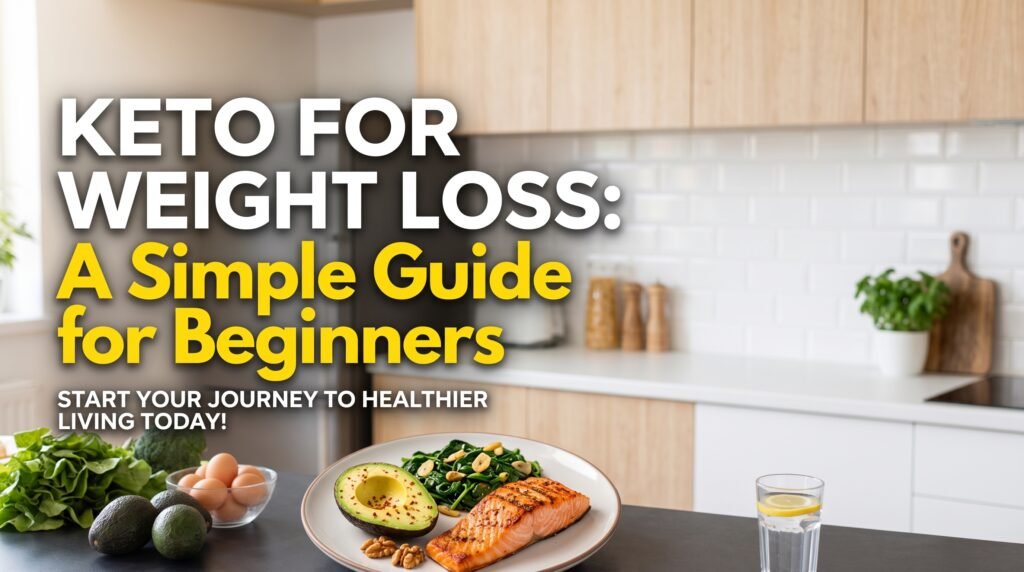
You have probably heard a lot about the keto diet lately. It seems like everyone is talking about low-carb eating. If you are looking into this for weight management, it can feel like a lot to take in at first. The truth is, keto is just one tool in the toolbox, and it does not work the same way for every person.
The goal of this guide is to break down how keto works, what you can actually eat, and how to approach it in a way that feels sustainable. Before making any big changes to your diet, please chat with your doctor. This is especially true if you are pregnant, have a history of eating disorders, are on medication, or have any existing health conditions.
What Is the Keto Diet?
Keto is short for ketogenic. It is a high-fat, moderate-protein, and very low-carbohydrate eating style. Normally, your body burns glucose, which comes from carbs like bread, pasta, and fruit, for energy. When you cut those carbs way down, your body has to find a different fuel source.
After a few days of eating very few carbs, your body shifts into a state called ketosis. In this state, your body becomes very efficient at burning fat for energy. It turns fat into substances called ketones, which your brain and muscles use as fuel.
How Keto May Support Weight Management
Many people find that a ketogenic approach helps them manage their weight more easily. One big reason is that high-fat and protein-rich foods tend to be quite filling. When you feel full after a meal, you are less likely to snack on processed items throughout the day.
Keto also helps keep your blood sugar levels more stable. When you eat a lot of sugar or refined carbs, your blood sugar spikes and then crashes, which can make you feel hungry and tired. By focusing on healthy fats and quality protein, you can avoid those energy dips.
Remember that even on keto, your total calorie intake still matters. If you eat more calories than your body needs, you likely will not see the weight loss results you are looking for. It is still about finding a healthy balance that works for your unique body.
What Can You Eat on Keto?
When you go keto, you fill your plate with whole, nutrient-dense foods. Here are the things you will likely see on your grocery list:
- Meat and poultry, like chicken, beef, and pork.
- Fish, especially fatty fish like salmon or mackerel.
- Eggs.
- Low-carb vegetables, such as spinach, kale, broccoli, cauliflower, and asparagus.
- Healthy fats, like olive oil, avocado oil, and butter.
- Nuts and seeds.
- Avocados.
- Hard cheeses and full-fat dairy.
You will want to limit or avoid foods high in sugar and starch. This includes bread, pasta, rice, potatoes, sugary drinks, most fruits, and baked goods. Always check labels, as hidden sugars are often found in sauces and salad dressings.
A Simple Keto Day of Eating
Getting started does not have to be complicated. Here is a simple look at what a day might look like:
- Breakfast: Scrambled eggs cooked in butter with a side of sautéed spinach.
- Lunch: A large salad with grilled chicken, avocado, walnuts, and an olive oil vinaigrette.
- Dinner: 15-Minute Air Fryer Juicy Chicken Breast & Veggies (Easy Dinner Idea), seasoned with herbs.
- Snack: A small handful of almonds or a few slices of cucumber.
If you need more inspiration for healthy meals, check out our other resources at Get Smart Health Picks for more tips on simple, nourishing cooking.
Common Keto Mistakes to Avoid
It is easy to make a few slip-ups when you are new to this. Here are some common ones to watch out for:
- Not eating enough vegetables: Keto is not just about bacon and cheese. You need fiber and nutrients from green, leafy veggies.
- Ignoring hydration: When you lower your carb intake, your body sheds water. Make sure you are drinking plenty of fluids and keeping your electrolytes up with a little extra salt in your diet.
- Forgetting about sleep and movement: Diet is just one part of the puzzle. Quality sleep and light activity, like walking, are essential for your overall wellbeing.
- Overdoing the protein: While protein is important, keto is primarily a high-fat diet. Moderate your protein intake to keep your body in that fat-burning state.
Keto Tips for Beginners
If you want to make this a lifestyle rather than a quick fix, keep these tips in mind:
Start slow. You do not have to clear your pantry overnight. Focus on adding more healthy fats and vegetables first. Planning your meals ahead of time will help you stay on track when you get busy during the week.
Listen to your body. If you feel dizzy, extremely tired, or sick, you may need to adjust your carb intake. It is also important to remember that weight management is a slow process. Focus on how you feel, like your energy levels and how your clothes fit, rather than just the number on the scale.
Is Keto Right for Everyone?
The short answer is no. Keto is a very restrictive way of eating, and it can be difficult to stick with long-term. Some people feel great on it, while others find they miss the energy they get from complex carbohydrates like oats or sweet potatoes.
If you are an athlete who needs high-intensity energy, or if you have specific medical conditions, this diet might not be the best fit for you. Always prioritize your long-term health over a temporary weight loss goal.
Frequently Asked Questions
How long does it take to enter ketosis?
Most people enter ketosis within 2 to 4 days of eating very few carbohydrates, though this can vary from person to person.
Can I eat fruit on keto?
Most fruits are high in sugar, so they are generally limited. Small portions of berries like raspberries or blackberries are usually okay in moderation.
Will I gain the weight back when I stop?
If you return to eating the same way you did before, it is common for the body to return to its previous weight. That is why focusing on sustainable habits you can maintain for years is the best approach.
Is keto safe for everyone?
No. People with certain medical conditions or those who are pregnant or breastfeeding should talk to a doctor before considering a low-carb diet.
What if I crave carbs?
Cravings are normal when you first start. Often, it helps to make sure you are eating enough fat, which helps keep you feeling satisfied for longer.
Conclusion
Keto can be a helpful way to manage your weight and stabilize your energy, but it is not a magic solution. The best approach to health is one that you can actually enjoy and stick with for the long haul. Focus on eating whole, real foods, staying hydrated, moving your body, and getting enough rest.
If you find that keto feels too restrictive, remember that there are many ways to eat healthily. Find what makes you feel your best and focus on consistency rather than perfection. You have got this!